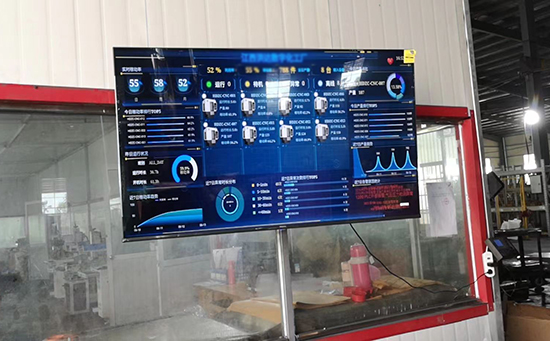
ERP系統(tǒng) & MES 生產(chǎn)管理系統(tǒng)
10萬用戶實施案例,ERP 系統(tǒng)實現(xiàn)微信、銷售、庫存、生產(chǎn)、財務、人資、辦公等一體化管理
SaaS ERP: Revolutionizing Enterprise Resource Planning
In today’s fast-paced business environment, the use of technology to streamline operations and improve efficiency is more critical than ever. One such technological innovation that has gained significant traction in recent years is Software as a Service (SaaS) Enterprise Resource Planning (ERP) systems. SaaS ERP solutions offer a new approach to managing a company’s resources and processes, transforming the way businesses operate. In this article, we will explore what SaaS ERP is and delve into the key differences between SaaS ERP and traditional ERP systems.
The Evolution of ERP Systems
Enterprise Resource Planning (ERP) systems have long been the backbone of large organizations, helping them integrate and manage core business processes such as finance, human resources, supply chain, and more. Traditional ERP systems are typically deployed on-premises, requiring significant upfront investment in hardware, software licenses, and IT infrastructure. These systems often involve lengthy implementation cycles and are complex to maintain and upgrade.
Understanding SaaS ERP
SaaS ERP, on the other hand, is a cloud-based delivery model where the software is hosted and maintained by a third-party provider and accessed by users over the internet. Instead of purchasing the software outright, companies pay a subscription fee to use the system. This subscription model offers several advantages, including lower upfront costs, faster implementation times, automatic updates, and scalability based on business needs.
Key Differences Between SaaS ERP and Traditional ERP
1. **Cost:**
– Traditional ERP systems require a substantial upfront investment in software licenses, hardware, and implementation services. SaaS ERP operates on a subscription model, allowing companies to spread costs over time and avoid large initial expenses.
2. **Implementation Time:**
– SaaS ERP solutions can be deployed much faster than traditional ERP systems due to their cloud-based nature. Implementation times are significantly reduced, enabling companies to start using the system sooner and realize benefits more quickly.
3. **Maintenance and Upgrades:**
– With traditional ERP systems, companies are responsible for maintaining and upgrading the software, which can be time-consuming and costly. SaaS ERP providers handle maintenance and upgrades, ensuring that the system is always up-to-date with the latest features and security patches.
4. **Scalability:**
– SaaS ERP systems offer greater scalability compared to traditional ERP systems. Companies can easily adjust their subscription level to accommodate growth or seasonal fluctuations in demand without needing to invest in additional infrastructure.
The Benefits of SaaS ERP
1. **Cost-Effectiveness:**
– SaaS ERP eliminates the need for large upfront investments, making it more financially accessible for small and medium-sized businesses.
2. **Accessibility:**
– With SaaS ERP, users can access the system from anywhere with an internet connection, enabling remote work and increasing collaboration among teams.
3. **Flexibility:**
– SaaS ERP systems are designed to be flexible and customizable, allowing companies to adapt the software to their specific needs without extensive customization.
Challenges of SaaS ERP Adoption
While SaaS ERP offers numerous benefits, there are also challenges associated with its adoption:
1. **Data Security:**
– Storing sensitive business data in the cloud raises concerns about data security and compliance with regulations such as GDPR and HIPAA.
2. **Integration Complexity:**
– Integrating SaaS ERP with existing systems and legacy applications can be challenging and may require additional resources and expertise.
Future Trends in SaaS ERP
As technology continues to evolve, several trends are shaping the future of SaaS ERP:
1. **Artificial Intelligence and Machine Learning:**
– AI and ML capabilities are being integrated into SaaS ERP systems to automate routine tasks, provide insights, and improve decision-making.
2. **Blockchain Technology:**
– Blockchain is being explored to enhance data security, transparency, and trust in SaaS ERP systems, particularly in industries like finance and supply chain management.
In Conclusion
SaaS ERP represents a paradigm shift in how companies manage their resources and processes, offering a more cost-effective, agile, and scalable alternative to traditional ERP systems. While there are challenges to overcome, the benefits of SaaS ERP are driving widespread adoption across industries. As technology continues to advance, the future of SaaS ERP looks promising, with innovations like AI, ML, and blockchain set to further revolutionize enterprise resource planning.