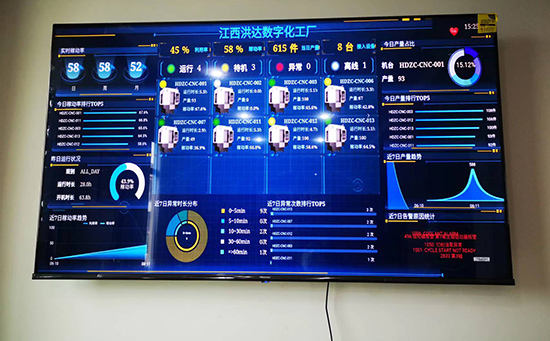
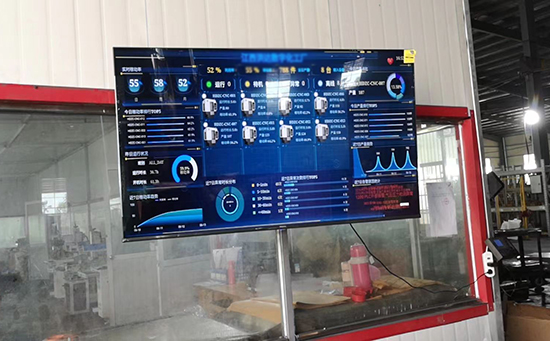
ERP系統(tǒng) & MES 生產(chǎn)管理系統(tǒng)
10萬用戶實施案例,ERP 系統(tǒng)實現(xiàn)微信、銷售、庫存、生產(chǎn)、財務(wù)、人資、辦公等一體化管理
The Importance of Communication between MES System and PLC in Industrial Automation
In the realm of industrial automation, the communication between Manufacturing Execution Systems (MES) and Programmable Logic Controllers (PLC) plays a crucial role in ensuring seamless operation, efficiency, and productivity. MES systems act as a bridge between the enterprise resource planning (ERP) systems and the shop floor, providing real-time data and control over manufacturing processes. On the other hand, PLCs are programmable devices that control machinery and processes on the factory floor. The integration and communication between these two systems are essential for optimizing production, improving quality control, and enabling data-driven decision-making.
1. Enhancing Data Exchange and Real-Time Monitoring
One of the primary benefits of integrating MES systems with PLCs is the enhancement of data exchange capabilities and real-time monitoring. MES systems collect data from various sources on the shop floor, such as sensors, machines, and operators, and communicate this information to PLCs for process control. This real-time data exchange enables timely decision-making, helps in identifying bottlenecks or issues in production, and allows for quick adjustments to optimize manufacturing processes.
2. Improving Production Efficiency and Quality Control
By facilitating communication between MES systems and PLCs, industrial automation processes can be streamlined to improve production efficiency and enhance quality control. MES systems provide detailed insights into production metrics, such as equipment utilization, downtime analysis, and defect rates, which can be used to optimize production schedules and improve overall equipment effectiveness (OEE). PLCs receive instructions from MES systems to adjust parameters, monitor performance, and ensure consistent product quality throughout the manufacturing process.
3. Enabling Predictive Maintenance and Fault Diagnosis
The integration of MES systems with PLCs allows for the implementation of predictive maintenance strategies and proactive fault diagnosis. By analyzing real-time data from PLCs, MES systems can predict equipment failures before they occur, schedule maintenance activities during planned downtime, and minimize unscheduled production stoppages. This predictive approach not only reduces maintenance costs but also increases equipment reliability and prolongs asset lifespan.
4. Facilitating Seamless Workflow and Process Automation
Communication between MES systems and PLCs enables the seamless integration of workflows and process automation in industrial settings. MES systems can define and optimize production workflows based on real-time data, while PLCs execute these workflows by controlling machine operations, material handling, and assembly processes. This collaboration ensures smooth coordination between different parts of the manufacturing process, minimizes errors, and maximizes operational efficiency.
5. Enhancing Regulatory Compliance and Reporting
Integrating MES systems with PLCs helps industrial facilities enhance regulatory compliance and reporting capabilities. MES systems can capture and store data related to production processes, quality checks, and traceability requirements, ensuring compliance with industry standards and regulations. By communicating this data to PLCs for process control and monitoring, organizations can generate accurate reports, track product genealogy, and demonstrate adherence to regulatory requirements.
6. Driving Continuous Improvement and Innovation
The communication between MES systems and PLCs drives a culture of continuous improvement and innovation in industrial automation. By leveraging real-time data insights, organizations can identify areas for optimization, implement process improvements, and innovate new solutions to enhance productivity and competitiveness. The integration of these systems fosters collaboration between cross-functional teams, encourages data-driven decision-making, and paves the way for future advancements in automation technology.
Embracing Seamless Integration for Industrial Excellence
In conclusion, the seamless communication between MES systems and PLCs is essential for achieving operational excellence, enhancing production efficiency, and ensuring competitiveness in today’s rapidly evolving industrial landscape. By leveraging the capabilities of these interconnected systems, organizations can unlock new opportunities for process optimization, quality control, predictive maintenance, and innovation. Embracing the integration of MES systems with PLCs is not just a technological advancement but a strategic imperative for driving sustainable growth, meeting customer demands, and staying ahead in the dynamic world of industrial automation.